


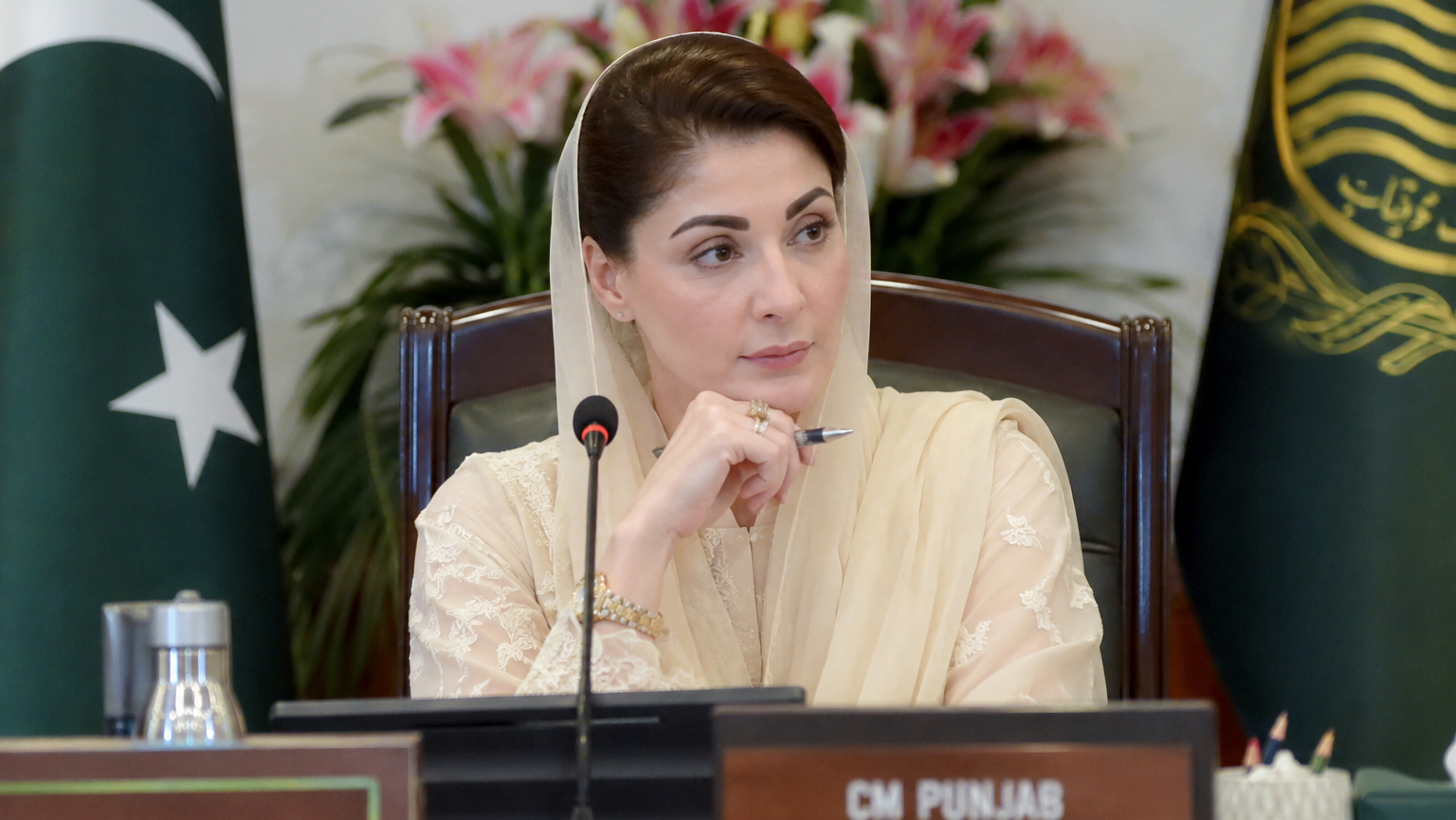
Maryam Nawaz Sharif has become one of the most prominent political figures in Pakistan, particularly following her election as Chief Minister of Punjab in February 2024. She became the first woman to serve as chief minister of any province in Pakistan, marking a significant development in the country’s political history.
Her administration has focused on a broad range of areas, including public services, youth development, healthcare, education, technology, economic activity and infrastructure. The official Punjab Chief Minister’s Office describes the government’s mission as building a healthy, sustainable, safe and prosperous Punjab while improving education, empowerment and social and global mobility.
Early Political Rise
Maryam Nawaz emerged as a prominent figure within Pakistan’s political landscape through her association with the Pakistan Muslim League-Nawaz (PML-N) and the Sharif political family.Over time, she developed a significant political profile and became increasingly involved in the party’s political activities.
Her rise also placed her at the center of Pakistan’s wider political debates, where supporters have highlighted her leadership and political experience while opponents have frequently questioned aspects of her family’s political influence and governance approach. This combination of political legacy, public visibility and active participation has made her one of the country’s most closely watched political personalities.
Becoming Chief Minister of Punjab
Maryam Nawaz Sharif was elected Chief Minister of Punjab in February 2024 after receiving 220 votes in the provincial assembly. She took the oath on February 26, 2024, becoming the province’s first woman chief minister. In February 2024, Maryam Nawaz was elected Chief Minister of Punjab after receiving 220 votes in the provincial assembly. She took the oath on February 26, 2024, becoming the province’s first woman chief minister.
The position placed her in charge of Pakistan’s largest province by population and one of the country’s most important economic and administrative regions. Punjab’s size means that decisions made by the provincial government can have significant consequences for education, healthcare, agriculture, transportation, local government and economic activity.
A Focus on Youth
Youth development has become an important part of Maryam Nawaz’s government’s public policy agenda. In January 2026, the Punjab government announced 2026 as the “Year of Youth,” highlighting initiatives related to public welfare, opportunity and development for young people.
The government’s youth-focused agenda also reflects a broader effort to connect young people with education, technology, employment and wider economic opportunities. The official Chief Minister’s Office has emphasized global connectivity and e-commerce as part of its vision for empowering Punjab’s youth.
Education and Digital Opportunities
Education has remained another important area of attention. During her administration, initiatives involving laptops, scholarships and educational opportunities have been promoted as part of efforts to improve access to technology and support students.
The government has also emphasized digital connectivity and skills as tools that can help young people participate in a changing economy. For a province with a large young population, the relationship between education, technology and employment is likely to remain one of the major policy challenges facing the administration.
Healthcare and Public Services
Healthcare has also featured prominently in the government’s policy agenda.Shortly after becoming chief minister, Maryam Nawaz announced plans for a public cancer hospital in Lahore, reflecting an emphasis on expanding access to specialized healthcare.
More broadly, her administration has presented public-service delivery as a central part of its governance agenda. The challenge for any provincial government is not simply announcing new projects but ensuring that they are implemented effectively, remain accessible to citizens and produce measurable improvements.
Technology and Modern Governance
Technology is increasingly becoming part of provincial governance. Digital complaint systems, online public services and technology-based citizen engagement can potentially make government services more accessible and transparent.
The Punjab government’s Maryam Ko Batayn initiative, for example, provides citizens with a digital channel for accessing public relief services and submitting complaints to relevant government departments. Such initiatives reflect a wider shift toward digital government, where citizens increasingly expect public institutions to provide services through the same digital channels they use in other areas of life.
Economic Development and Infrastructure
Punjab is also central to Pakistan’s economic activity, making economic development a major responsibility for the provincial government. The administration has discussed projects and initiatives related to transportation, infrastructure, investment and connectivity.
The Punjab government’s broader stated priorities include economic and social mobility, while its official vision also emphasizes global connectivity and e-commerce-driven growth. For businesses and investors, the effectiveness of these policies will depend on implementation, regulatory conditions, infrastructure and the wider economic environment.
Leadership Under Public Scrutiny
Maryam Nawaz’s leadership has also attracted significant political debate. Like other major political leaders, her administration has faced both support and criticism. Supporters have pointed to development initiatives and public-service programs, while opposition figures and critics have challenged aspects of governance and policy.
This political divide is an important part of understanding her position as chief minister. Her leadership is therefore being assessed not only through government announcements but also through implementation, public response, political opposition and the performance of provincial institutions.
The Challenge of Governing Punjab
Leading Punjab presents challenges that extend far beyond political visibility. The province has a huge population, major cities, extensive agricultural areas and diverse economic needs. The government must balance urban development with rural priorities while addressing education, healthcare, employment, agriculture, transportation, public safety and environmental pressures.
At the same time, Punjab remains closely connected to Pakistan’s national political and economic environment. This makes the performance of the provincial government important not only for Punjab but for the wider country.
Maryam Nawaz Sharif and the Future of Punjab
The future political role of Maryam Nawaz Sharif will continue to be closely watched as her administration works on youth development, digital government, education, healthcare and economic growth. Maryam Nawaz Sharif’s political journey has entered a new phase through her role as chief minister. Her administration’s long-term impact will ultimately depend on how effectively announced policies are implemented and whether they produce sustainable improvements in people’s lives.
Youth development, digital government, education, healthcare, economic growth and public services are likely to remain important areas to watch. Her position as Pakistan’s first woman provincial chief minister also gives her leadership a broader significance in discussions about women’s participation in politics and public decision-making.
Conclusion
Maryam Nawaz Sharif’s rise to the leadership of Punjab represents an important chapter in Pakistan’s political history. Her government has placed emphasis on youth, technology, public services, education, healthcare and development, while her leadership continues to attract both support and criticism. As Punjab moves through the coming years, the key question will be how effectively these priorities translate from government announcements into measurable results.
For Maryam Nawaz Sharif, the political challenge is therefore no longer simply reaching one of Pakistan’s most powerful provincial offices. It is demonstrating whether her administration can deliver lasting improvements across a province of enormous scale and complexity.