


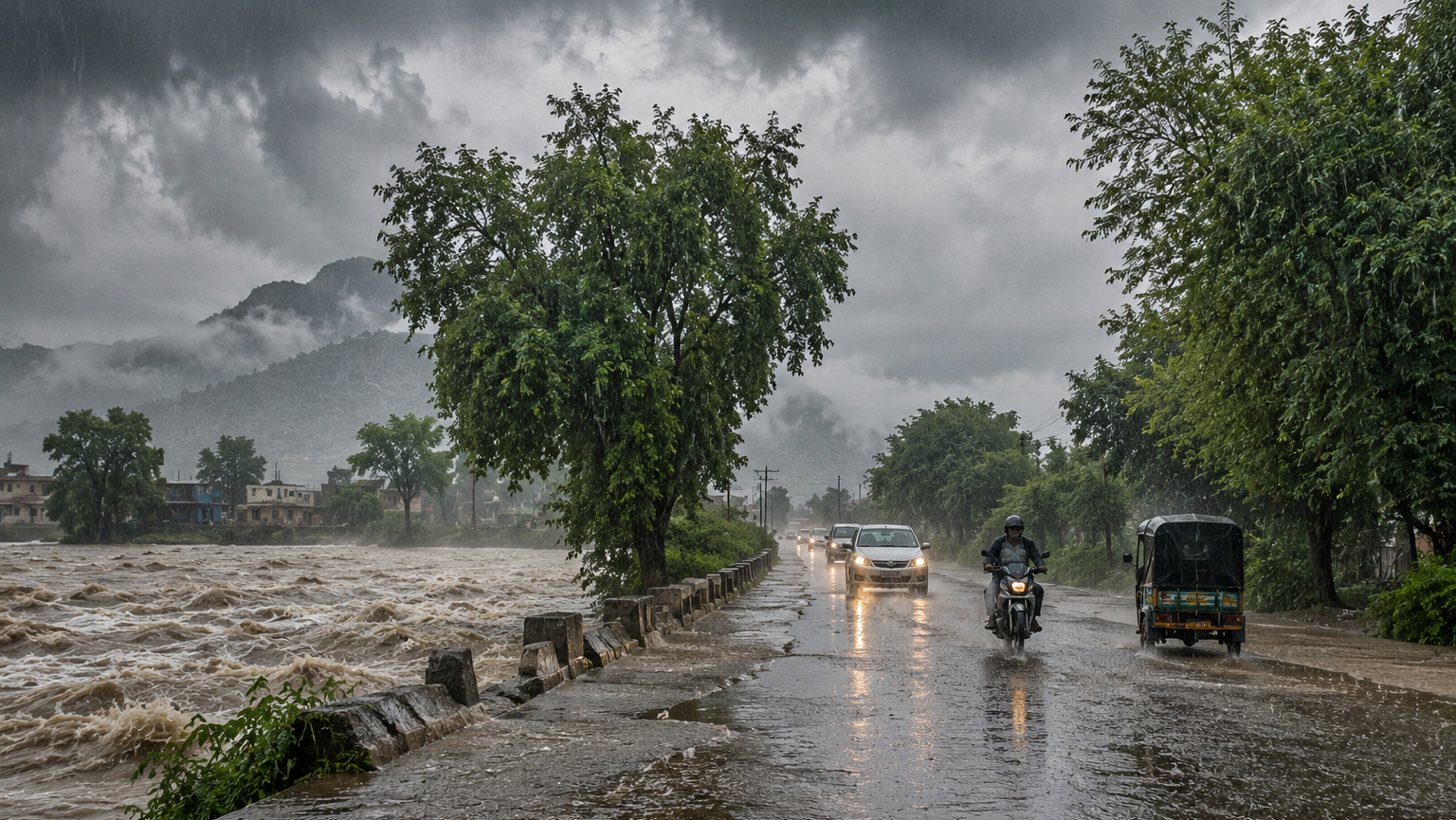
Pakistan monsoon rains continue to create challenges across several parts of the country, with Punjab and Sindh among the provinces facing fresh risks from heavy rainfall, flooding and damage to homes and infrastructure.
According to the latest reported figures, five more people have died and 16 others were injured in rain-related incidents in Punjab and Sindh, bringing Pakistan’s nationwide monsoon death toll to 141. The latest developments have increased concerns about urban flooding, damaged roads and further disruption in vulnerable communities.
1. Pakistan Monsoon Rains Bring Fresh Risks to Punjab
Punjab remains one of the provinces closely affected by the latest weather system. Heavy rainfall has created risks in low-lying areas, while water accumulation has affected roads and residential communities in several locations.
Authorities and emergency services have continued monitoring vulnerable areas as rainfall increases the possibility of flooding. For residents, the situation has also raised concerns about transportation, electricity disruptions and damage to property.
2. Sindh Faces Growing Flood Concerns
Pakistan monsoon rains are also affecting Sindh as authorities monitor vulnerable areas across the province. Low-lying communities remain particularly exposed to water accumulation, while drainage systems can come under pressure during periods of intense rainfall.
The situation is especially important for communities that depend on agriculture and livestock, as prolonged rainfall can damage crops and disrupt local economic activity. Authorities are expected to maintain emergency measures where necessary as weather conditions develop.
3. Death Toll and Injuries Continue to Rise
The latest casualties highlight the dangers associated with severe monsoon weather. Five additional deaths and 16 injuries were reported in Punjab and Sindh, adding to the national toll from rain-related incidents.
Deaths during the monsoon season can result from several hazards, including building collapses, electrocution, flash flooding and accidents on waterlogged roads. The continuing casualties have increased pressure on local administrations to strengthen emergency response and public warnings.
4. Roads and Infrastructure Under Pressure
Pakistan monsoon rains can quickly affect transportation networks and public infrastructure when rainfall becomes intense. Waterlogged roads can slow traffic, while damaged streets and drainage systems can make movement difficult for residents and emergency teams.
In rural areas, damaged roads can also affect access to markets, schools and healthcare facilities. The impact can extend beyond immediate flooding. If rainfall continues for several days, local authorities may face additional pressure to clear drainage channels, repair roads and protect vulnerable communities.
5. Authorities Urge Public to Remain Cautious
With the monsoon season continuing, authorities are urging residents to remain alert during periods of heavy rainfall. People living near rivers, streams, drainage channels and other flood-prone areas face higher risks when rainfall becomes intense.
Residents are also advised to avoid unnecessary travel through flooded roads and remain aware of official weather and emergency warnings. For local governments, the priority remains protecting lives, responding to emergencies and keeping essential services operating during severe weather.
What Happens Next?
The coming days will be important as weather conditions across Punjab, Sindh and other parts of Pakistan continue to develop. Further heavy rainfall could increase pressure on drainage systems and raise the possibility of localized flooding.
The situation will also be closely watched by farmers and businesses because prolonged rainfall can affect crops, transportation and local supply chains. Emergency authorities are likely to continue monitoring vulnerable districts while coordinating responses where flooding or other weather-related incidents occur.
Conclusion
The latest Pakistan monsoon rains have once again highlighted the vulnerability of communities across Punjab and Sindh during periods of extreme weather. Rising casualties, injuries and infrastructure risks show why emergency preparedness remains important throughout the monsoon season.
While authorities continue their response, residents in vulnerable areas will need to remain cautious and follow official safety instructions.The coming weather systems will determine whether the current situation stabilizes or brings further flooding and disruption across the provinces.
Disclaimer: This article reflects information available at the time of publication. Weather conditions and official casualty figures can change rapidly as authorities continue to assess the situation.