


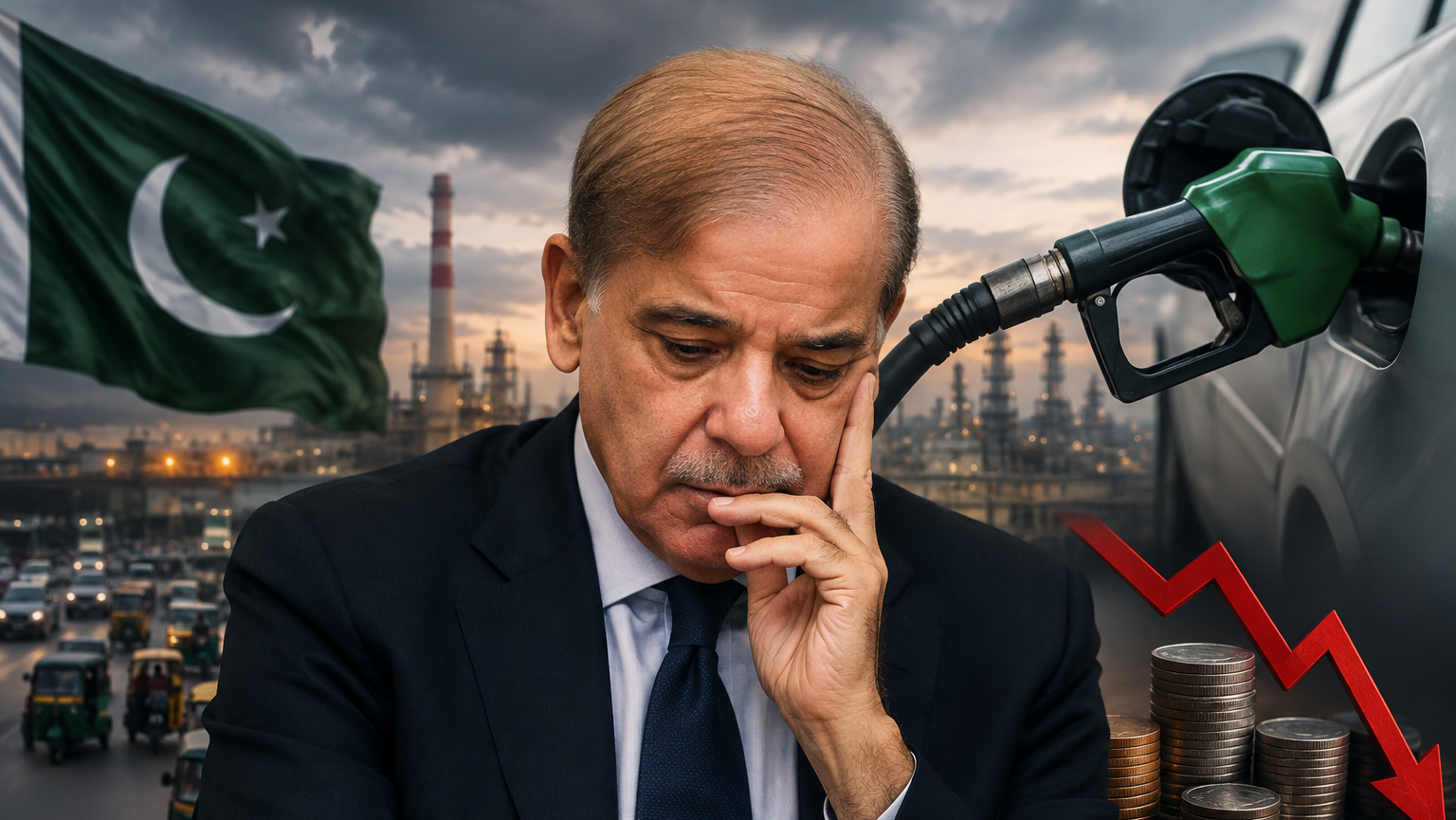
Pakistan petrol prices have been reduced again, providing some relief to consumers and businesses amid continuing uncertainty in international oil markets.
The government cut the price of petrol by Rs4.08 per litre and high-speed diesel by Rs2.45 per litre. The revised rates took effect on August 4, 2026, bringing petrol to Rs331.95 per litre and high-speed diesel to Rs389.93 per litre.
The latest reduction comes as global oil prices ease following developments surrounding the wider Middle East crisis and renewed diplomatic efforts involving the United States and Iran.
1. Pakistan Petrol Prices Fall to Rs331.95
The biggest change for ordinary motorists is the reduction in the petrol price.
Petrol has been reduced by Rs4.08 per litre, bringing the new retail price to Rs331.95. The reduction will directly affect motorists who rely on petrol for cars, motorcycles and other vehicles.
Although the cut is relatively modest compared with some previous reductions, it provides immediate relief for consumers facing high transportation costs.
2. Diesel Price Also Declines
High-speed diesel has also become cheaper, with the government cutting its price by Rs2.45 per litre.
The new HSD price stands at Rs389.93 per litre.
Diesel is particularly important for Pakistan’s economy because it is widely used by freight vehicles, buses, agricultural machinery and other commercial transport.
A reduction in diesel costs can therefore have a broader impact than the price change seen at petrol stations.
3. Global Oil Prices Remain a Major Factor
Pakistan petrol prices remain closely linked to international oil markets, making global crude prices an important factor in every domestic price review.
The latest reduction comes after falling global oil prices, with the government passing part of that decline on to domestic consumers. Dawn reported that the latest revision followed a drop in international oil prices after U.S. President Donald Trump called off a planned attack on Iran and announced talks with Tehran.
This means future fuel prices could continue to change depending on international crude prices, geopolitical developments and currency movements.
4. Relief for Transport and Businesses
The latest petrol price reduction in Pakistan could provide some relief to transport operators and businesses.
Lower fuel costs can reduce operating expenses for logistics companies, delivery services, public transport operators and businesses that depend heavily on vehicles.
For consumers, cheaper fuel could also help reduce some transportation expenses.
However, the impact on prices across the wider economy may take time. Fuel is only one component of transportation and production costs, while other expenses such as wages, electricity, imported materials and taxes also influence final prices.
5. Fuel Taxes Remain High
Despite the reduction in retail prices, petroleum taxes and duties continue to account for a significant portion of the cost.
According to the latest reported figures, the government continues to levy Rs110 per litre in taxes and duties on petrol and Rs96 per litre on high-speed diesel.
The level of taxation means that changes in international crude prices do not translate directly into equivalent changes at Pakistani fuel stations.
The government’s petroleum pricing mechanism has also been under review. The Petroleum Division has previously said that reforms are being considered to improve transparency and market stability.
What Does the Fuel Cut Mean for Pakistan?
The latest reduction is positive news for motorists, but its wider economic impact will depend on how long international oil prices remain lower.
Cheaper fuel can reduce transportation costs and potentially ease some pressure on businesses and households. It may also help contain costs in sectors that depend heavily on road transportation.
At the same time, Pakistan remains exposed to global energy-market volatility. Any major escalation in the Middle East could push international crude prices higher again and reverse some of the recent relief.
The situation around the Strait of Hormuz is particularly important because disruptions to the major energy route can quickly affect global oil supplies and prices.
What Happens Next?
Pakistan petrol prices could fall further if international crude prices remain under pressure, although renewed geopolitical tensions could quickly reverse that trend.
If oil prices remain under pressure, Pakistani consumers could see further reductions in future reviews. However, renewed geopolitical tensions could have the opposite effect.
For now, the latest cut gives motorists and businesses a modest reduction in fuel costs at a time when transportation expenses remain an important part of household and business budgets.
Conclusion
The latest Pakistan petrol prices provide some relief for motorists and businesses, although the longer-term direction will depend on international oil markets.
The reduction offers some immediate relief, particularly for motorists and businesses that rely heavily on fuel. However, the longer-term direction of prices will depend on international oil markets, geopolitical developments and Pakistan’s domestic pricing policies.
For consumers, the latest cut is welcome, but the bigger question is whether lower global oil prices can continue long enough to produce more meaningful relief across the wider economy.
Disclaimer: This article is based on information available at the time of publication. Fuel prices and government policies can change following new international market developments or official revisions.