


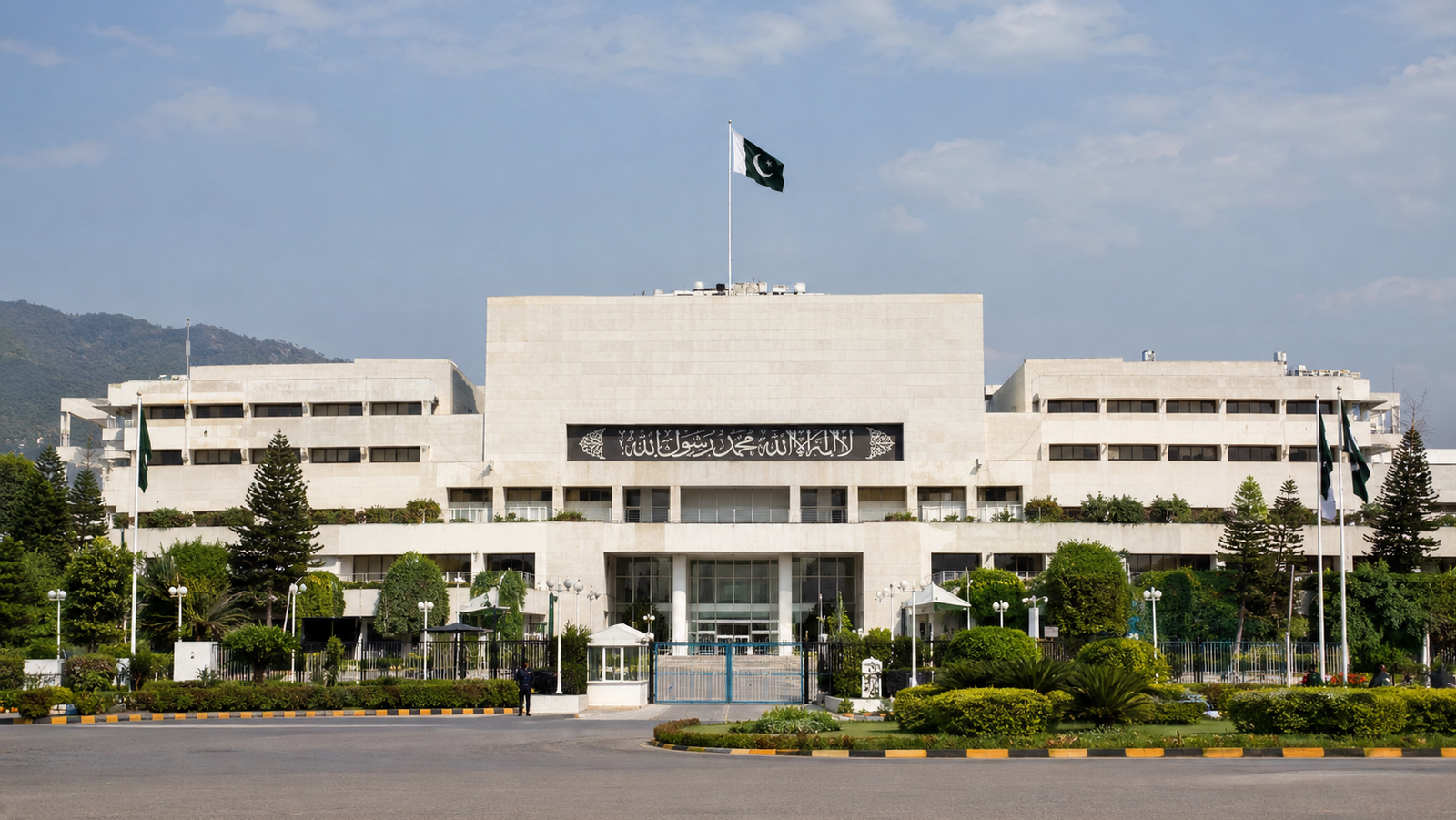
Emergency in KP has received approval from both houses of Pakistan’s Parliament, as the National Assembly and Senate endorsed the federal government’s decision on Wednesday, October 14, 2026. The government defended the move on security grounds, while Pakistan Tehreek-e-Insaf (PTI) lawmakers opposed the decision and questioned its political and constitutional implications.
The development follows the federal government’s October 11 emergency proclamation for Khyber Pakhtunkhwa (KP), amid growing tensions between the Centre and the PTI-led provincial leadership over counterterrorism efforts and the party’s planned march towards Islamabad.
Emergency in KP Approved by National Assembly and Senate
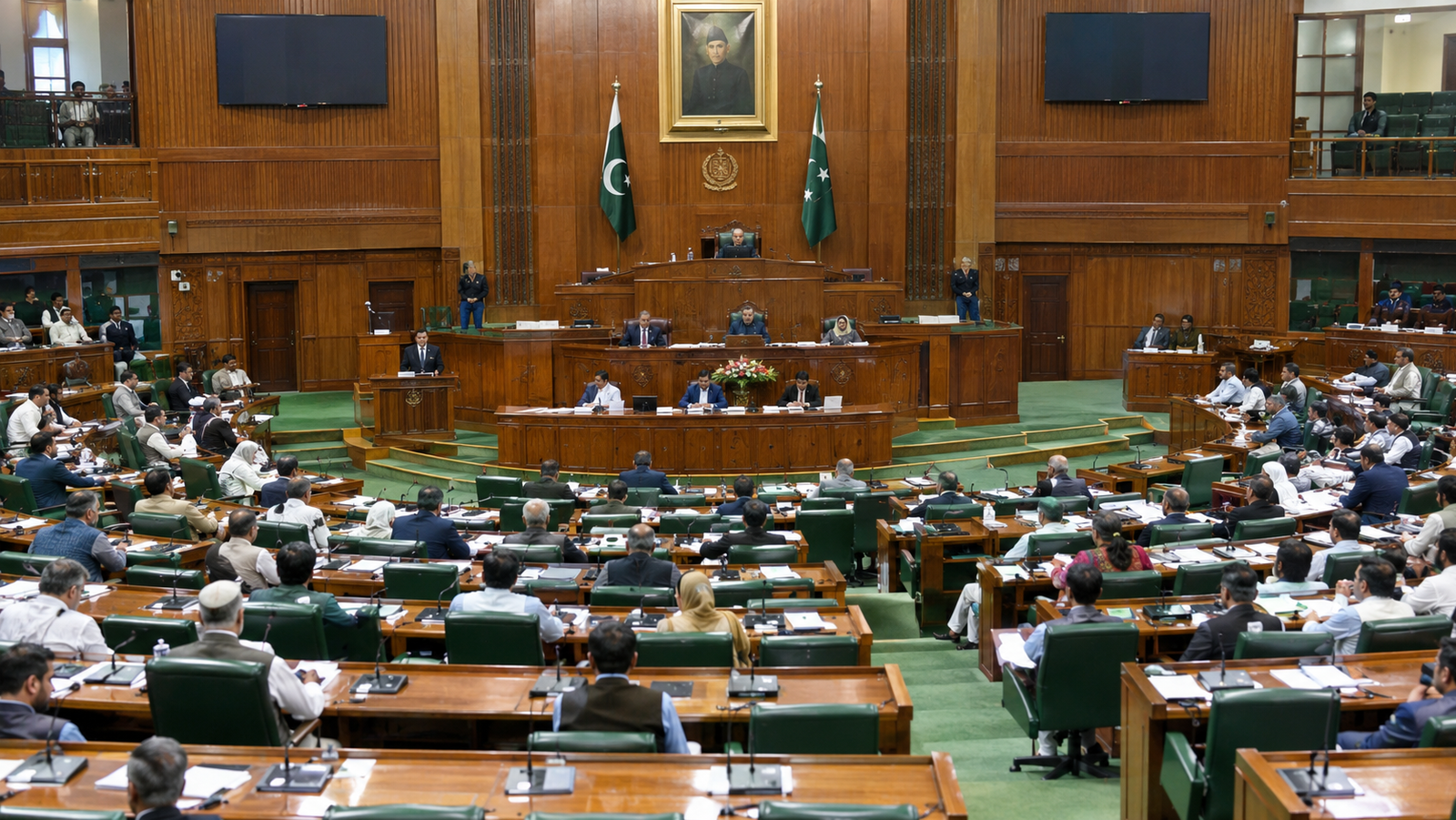
The National Assembly approved a resolution endorsing the emergency proclamation by a majority vote after Law Minister Azam Nazeer Tarar presented the government’s position. The Senate subsequently approved the measure following a heated debate between government and opposition members. PTI senators opposed the resolution, with opposition lawmakers staging a walkout during the proceedings.
Parliamentary Affairs Minister Tariq Fazal Chaudhry moved the motions seeking approval of the proclamation before both houses. The federal government maintained that the decision followed constitutional procedures and was necessary because of the province’s worsening security situation. Opposition lawmakers, however, argued that the move raised serious political and constitutional concerns.
Why Did the Federal Government Impose Emergency in KP?
Law Minister Azam Nazeer Tarar told Parliament that the federal government had reviewed security-related material before deciding to impose emergency in KP. He cited rising terrorist incidents, internal disturbances and cross-border infiltration as key reasons for the decision. The minister also criticised the provincial government’s approach to counterterrorism and accused it of prioritising political activities over security concerns.
According to figures presented by Tarar during the parliamentary debate, Khyber Pakhtunkhwa recorded 2,911 terrorist incidents between 2021 and 2024. He said the number increased to 3,787 incidents between October 15, 2025, and October 9, 2026. These figures were presented by the federal government and should be understood in the context of the parliamentary debate. The PTI rejected the government’s justification for the emergency and disputed its position on the province’s security situation.
PTI Rejects Emergency in KP
The PTI opposed the federal government’s decision, arguing that the emergency could undermine provincial political authority and was driven by political considerations. In the Senate, PTI-backed Senator Hamid Khan questioned the government’s motives and alleged that negotiations between the Centre and opposition had failed because the decision had effectively been made in advance.
Senator Mohsin Aziz defended the people of KP, highlighting the sacrifices made by residents, police personnel and security forces in the fight against terrorism. He also pointed to social and economic challenges, including unemployment, poverty and inadequate public services. Other opposition lawmakers raised concerns about the constitutional procedure and the availability of documents supporting the emergency proclamation.
PTI Chairman Barrister Gohar Ali Khan also rejected the decision in the National Assembly. He said his party opposed terrorism and called for counterterrorism measures to be implemented in accordance with the National Action Plan (NAP). The government maintained that the emergency was necessary to address security challenges, while the opposition continued to question the decision.
Bilawal Bhutto-Zardari Calls for Dialogue
Pakistan Peoples Party (PPP) Chairman Bilawal Bhutto-Zardari defended the federal government’s decision, arguing that the PTI-led provincial leadership had contributed to the political circumstances surrounding the emergency. Bilawal described the measure as difficult but maintained that the government had attempted to engage the opposition before proceeding with the proclamation.
He criticised the PTI’s handling of negotiations and argued that political disagreements had complicated efforts to reach a common strategy against terrorism. However, Bilawal also called on the government and opposition to resume dialogue and work together to address security concerns in the province.
He stressed that emergency measures could not provide a permanent solution to terrorism and that a broader national response was needed. The PPP chairman also warned that restricting political space for one party could eventually affect other political parties, political workers and citizens.
What Do Articles 232 and 234 Mean?
The constitutional provisions governing an emergency proclamation and governor’s rule are different. Article 232 of Pakistan’s Constitution deals with the proclamation of an emergency under specified circumstances. Where the president issues a proclamation on his own initiative, the Constitution requires it to be placed before both houses of Parliament for approval within the prescribed timeframe.
Article 234 concerns a situation in which the constitutional machinery of a province cannot function in accordance with the Constitution. A proclamation under this provision is subject to a separate parliamentary procedure and constitutional limits on its duration.
The federal government has defended its decision as constitutional, while opposition lawmakers have questioned the process and the information provided to Parliament. The distinction is important because approval of an emergency proclamation under Article 232 is not automatically the same as approval of governor’s rule under Article 234.
What Happens Next After Emergency in KP?
The parliamentary approval marks a significant development in the political dispute between the federal government and the PTI over security, provincial authority and counterterrorism policy. The government says the measure will help address the province’s security challenges. The PTI, meanwhile, continues to oppose the decision and argues that political considerations are influencing the Centre’s actions. The dispute has also raised questions about whether the government and opposition can resume negotiations after their recent talks failed to produce an agreement.
Bilawal Bhutto-Zardari has called for renewed dialogue, while PTI leaders have maintained their opposition to the emergency. The next steps will depend on how the government implements the measure, whether legal challenges are pursued and whether political stakeholders can agree on a common approach to counterterrorism. For the people of Khyber Pakhtunkhwa, the key concern remains public safety. A lasting improvement in security will require effective counterterrorism operations, cooperation between relevant institutions and protection for civilians.
As the situation develops, the implementation of emergency measures, constitutional questions and prospects for political dialogue are likely to remain central issues in Pakistan’s political debate.