


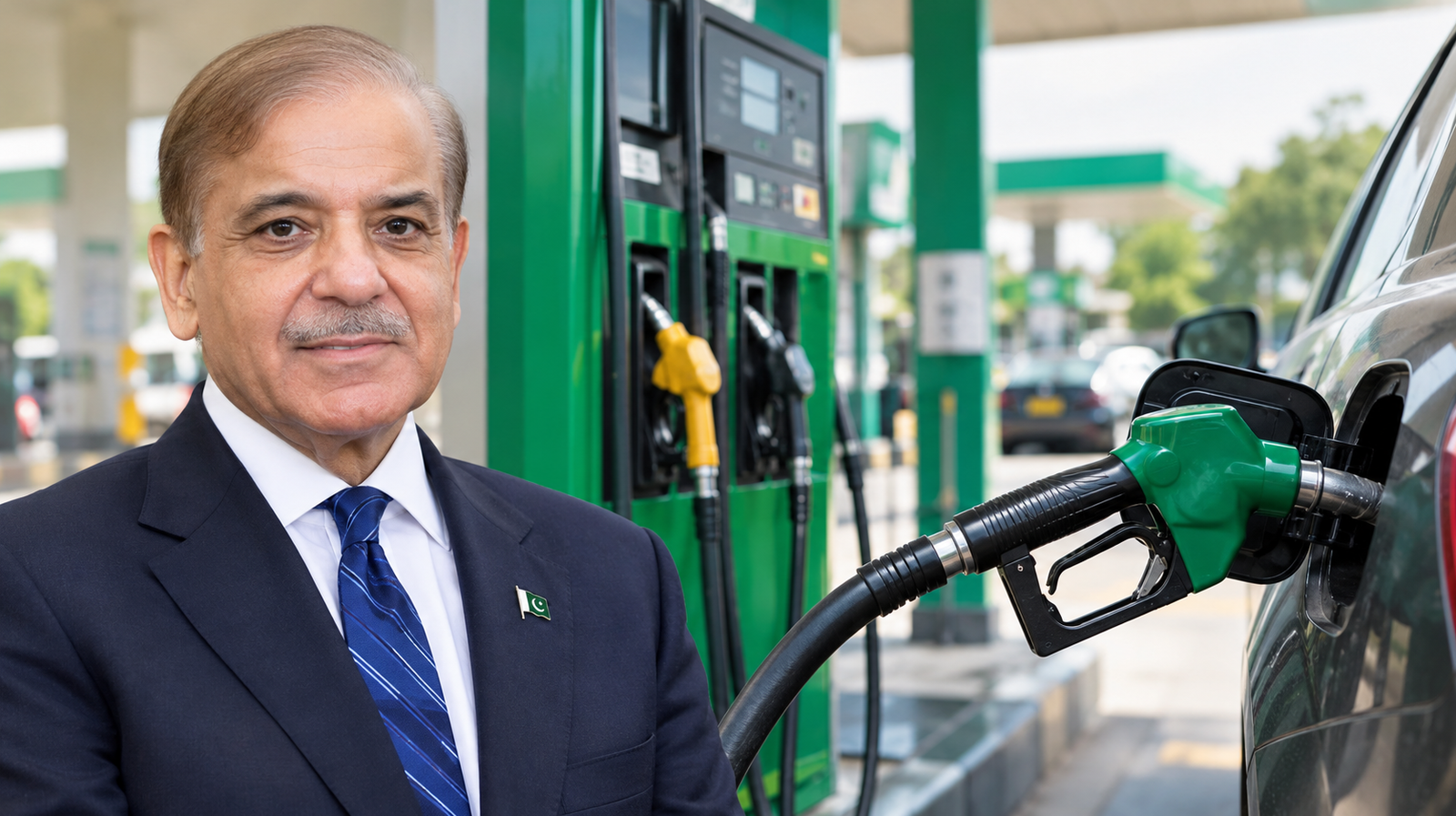
The government has reduced petrol prices by Rs5.16 per litre and high-speed diesel by Rs7.69, bringing some relief to motorists as fuel costs remain a major concern across Pakistan.
ISLAMABAD, October 21, 2026: The petrol price in Pakistan has been reduced to Rs381.14 per litre, following a government announcement introducing revised petroleum rates effective October 20, 2026. The latest adjustment brings a reduction of Rs5.16 per litre in petrol prices, while high-speed diesel (HSD) has become Rs7.69 cheaper, bringing its price to Rs389.27 per litre. The revised rates offer some financial relief to millions of motorists, motorcycle riders, transport operators and businesses struggling with elevated fuel costs.
However, despite the reduction, petrol prices remain considerably high compared with earlier levels, continuing to affect household budgets and transportation expenses.
Latest Petrol Price in Pakistan – October 21, 2026
According to the latest government-announced revision, the following petrol and diesel prices took effect on October 20.
| Fuel Type | Price Per Litre |
|---|---|
| Petrol (Premier Euro 5) | Rs381.14 |
| High-Speed Diesel (HSD) | Rs389.27 |
| Light Diesel Oil (LDO)* | Rs266.41 |
| Kerosene Oil (SKO)* | Rs330.14 |
| Premium / Hi-Octane Petrol* | Around Rs415.00 |
The LDO, kerosene and premium petrol figures are indicative rates supplied for this report and should be checked against the latest applicable supplier or official price list. Premium fuel prices can vary by location and product. The petrol and high-speed diesel prices were announced as part of the government’s latest petroleum price adjustment. Motorists are advised to check updated fuel rates before refuelling because further revisions may occur.
Petrol Price in Pakistan Reduced by Rs5.16 Per Litre
The latest reduction has brought the petrol price down from Rs386.30 to Rs381.14 per litre. This represents a decrease of Rs5.16 per litre. For an individual purchasing 20 litres of petrol, the reduction translates into savings of approximately Rs103.20 compared with the previous rate.
Similarly, a motorist purchasing 40 litres will now spend approximately Rs206.40 less than before. Although these savings may appear modest, they can make a difference for people who rely on motorcycles and cars for daily commuting. petrol price in Pakistan remains an essential expense for millions of Pakistani households, particularly those travelling to workplaces, educational institutions and commercial areas.
Diesel Price in Pakistan Also Falls to Rs389.27
Alongside petrol, the government has reduced the price of high-speed diesel by Rs7.69 per litre. The revised diesel rate stands at Rs389.27, compared with the previous price of Rs396.96 per litre. Diesel is widely used in heavy transport vehicles, agricultural machinery, commercial fleets and certain industrial operations.
As a result, diesel price adjustments can have wider economic implications than the immediate cost of refuelling. Lower diesel prices may help reduce operating expenses for transport companies and agricultural businesses. However, any reduction in passenger fares or the prices of essential goods will depend on several factors, including transport costs, market competition and business decisions.
How Much Will Drivers Save After the Petrol Price Cut?
The reduction in petrol price in Pakistan means motorists will pay slightly less for the same quantity of fuel. Here is a simple comparison based on the previous and revised petrol rates.
| Petrol Quantity | Previous Cost | New Cost | Savings |
|---|---|---|---|
| 5 litres | Rs1,931.50 | Rs1,905.70 | Rs25.80 |
| 10 litres | Rs3,863.00 | Rs3,811.40 | Rs51.60 |
| 20 litres | Rs7,726.00 | Rs7,622.80 | Rs103.20 |
| 40 litres | Rs15,452.00 | Rs15,245.60 | Rs206.40 |
| 50 litres | Rs19,315.00 | Rs19,057.00 | Rs258.00 |
For motorcycle riders purchasing smaller quantities of petrol, the immediate savings may be limited. Nevertheless, even minor reductions can provide some relief when fuel purchases are repeated throughout the month.
Why Are Petrol Prices Changing Frequently in Pakistan?
The petrol price in Pakistan is influenced by several domestic and international factors. These include global crude oil prices, petroleum import costs, exchange-rate movements, government taxes and other pricing components. Pakistan relies heavily on imported petroleum products and crude oil, making domestic fuel costs sensitive to developments in international energy markets.Changes in global supply conditions can therefore affect prices paid by Pakistani consumers.
International Oil Market Conditions
Global oil prices can fluctuate because of geopolitical tensions, production decisions, supply disruptions and changes in demand. Uncertainty in international energy markets has contributed to considerable volatility in Pakistan’s petroleum prices during 2026.
Government Taxes and Duties
Taxes and duties also form a substantial part of the retail price of petroleum products. According to the latest reported government pricing details, taxes and duties amount to approximately Rs114 per litre on petrol and Rs100 per litre on diesel. These charges help explain why domestic fuel prices may remain high even when international oil prices decline.
Exchange Rate and Import Costs
Because international petroleum trade is largely conducted in US dollars, fluctuations in the Pakistani rupee can influence import expenses. A weaker rupee can increase the local-currency cost of imported fuel, while a stronger currency may reduce some of that pressure. However, the final retail price also depends on other components of the pricing structure.
How the Latest Petrol Price Cut Could Affect Everyday Life
Changes in petrol price in Pakistan influence far more than the cost of filling a vehicle’s fuel tank. For many Pakistani families, transportation represents a regular household expense. Students, office workers, delivery riders and small business owners frequently depend on petrol-powered vehicles. A reduction in fuel prices can help lower some of these expenses.
Relief for Motorcycle Riders
Motorcycles are a widely used form of personal transport in Pakistan. People who travel long distances for work or education may benefit from lower petrol prices, particularly when fuel costs account for a significant share of their monthly spending.
Potential Impact on Public Transportation
Diesel prices are particularly important for buses, trucks and commercial transport services. A reduction in diesel costs may ease financial pressure on operators. However, lower fuel prices do not automatically guarantee reduced public transport fares.
Impact on Businesses and Deliveries
Businesses involved in deliveries, distribution and transportation may also benefit from lower fuel expenses. For small businesses that depend on regular movement of goods,petrol price in Pakistan can directly influence operating costs. Whether these savings reach consumers depends on broader market conditions.
Petrol Prices Remain High Despite the Latest Reduction
Although the latest adjustment offers some relief, fuel prices remain elevated. Pakistan experienced substantial petroleum price increases earlier in 2026 amid volatility in international energy markets. Petrol reached Rs458.41 per litre on April 3, while high-speed diesel climbed to Rs520.35 per litre during the same period.
Compared with those peaks, the latest petrol and diesel prices represent a significant decline. Nevertheless, current rates remain a financial concern for consumers already managing other household expenses. The latest reduction is therefore a positive development for motorists, but it does not eliminate the broader challenge of expensive transportation.
How to Check the Latest Petrol Price in Pakistan
Consumers looking for the latest petrol price in Pakistan should rely on official government announcements and updated fuel company price lists. Pakistan State Oil (PSO) provides fuel pricing information through its official website, including rates for different products and locations.
Drivers can also consult fuel station price boards before making a purchase. Because petroleum prices can change frequently, checking the effective date is particularly important. Consumers should also distinguish between regular petrol and premium fuel products, which may have different retail prices.
What Happens Next?
The latest petrol price in Pakistan reduction provides limited but welcome relief to Pakistani motorists and transport operators. However, with fuel prices remaining sensitive to international developments, consumers should continue monitoring official announcements.For now, the petrol price in Pakistan stands at Rs381.14 per litre, while high-speed diesel is priced at Rs389.27 per litre under the latest reported government revision.
Whether these prices remain stable will depend on future market conditions and subsequent pricing decisions. Aspire Recorder will continue covering major developments affecting fuel prices, businesses and everyday consumers across Pakistan.