


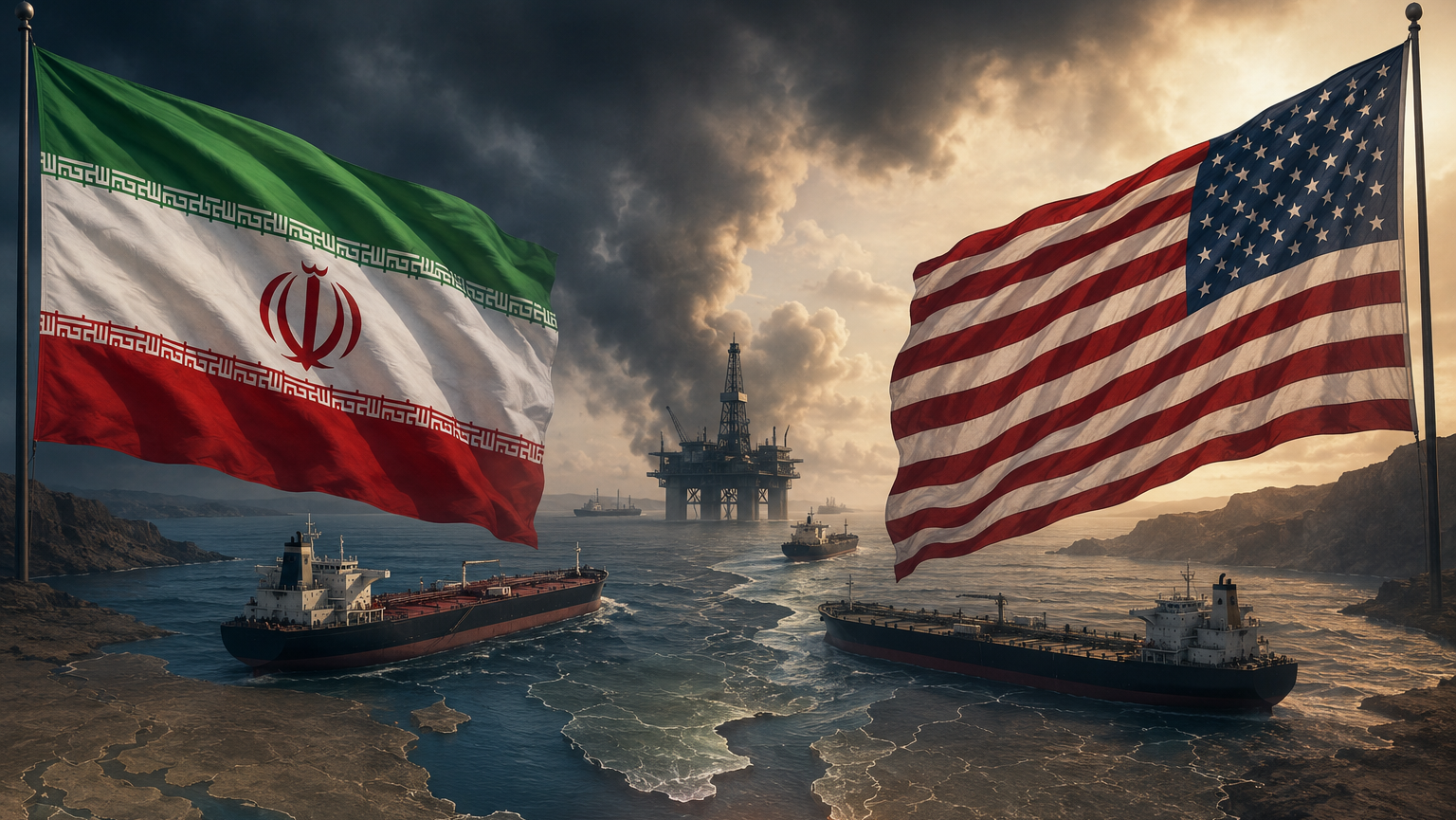
The Iran-US war has entered another uncertain phase as diplomatic efforts intensify around the Strait of Hormuz, while Tehran and Washington continue to give conflicting signals about whether direct negotiations are actually taking place.
Qatar says mediators are making progress toward ending the conflict, while Iran says it is not currently holding direct talks with the United States. At the same time, the future of the Strait of Hormuz remains one of the biggest obstacles to a wider agreement.
1. Iran-US war Enters a New Diplomatic Phase
The ongoing tensions are increasingly being accompanied by diplomatic efforts aimed at preventing another major escalation. Qatar has said that mediators are making progress toward an agreement, while U.S. officials have also pointed to movement on negotiations involving Iran and Oman.
However, Tehran has pushed back against Washington’s description of the situation, saying there are currently no direct talks between Iran and the United States. The conflicting statements make it difficult to determine how close the two sides are to a formal agreement.
2. Strait of Hormuz Remains the Biggest Challenge
The Strait of Hormuz has become the central issue in the latest phase of the the conflict. The narrow waterway is one of the world’s most important energy routes, carrying a significant share of global oil shipments. Restrictions on shipping have therefore created concerns far beyond the Middle East.
Iran is seeking greater control over shipping movements through the strait under a proposed temporary arrangement, while other proposals have focused on restoring wider commercial access. Disagreement over who controls shipping and how vessels move through the waterway remains a major obstacle to a broader settlement.
3. Oil Prices Fall as Hopes for a Deal Grow
Energy markets have reacted quickly to signs of diplomatic progress. Oil prices fell more than 5% on August 4, reaching their lowest level in about three weeks after comments from Qatari and U.S. officials increased expectations that the conflict could move toward a diplomatic solution.
Brent crude settled at around $79.36 per barrel, while U.S. West Texas Intermediate finished near $75.77. The sharp market reaction shows how closely global energy prices are tied to developments surrounding Iran and the Strait of Hormuz.
4. Shipping Disruptions Keep the Crisis Dangerous
Despite diplomatic efforts, commercial shipping through the Strait of Hormuz remains heavily disrupted. A vessel was attacked near the waterway, highlighting the continuing risks facing ships operating in the region even as diplomatic discussions gain momentum.
The incident has reinforced concerns that a political agreement could still be undermined by events at sea. For international shipping companies, insurers and energy producers, uncertainty around the strait remains one of the biggest risks created by the the crisis
5. Risk of Escalation Has Not Disappeared
The biggest question is whether the current diplomatic momentum will produce a lasting agreement. Washington has signaled that it wants progress on several major issues, while Tehran continues to defend its position over the Strait of Hormuz and other security concerns. The situation is particularly sensitive because previous pauses and negotiations have failed to completely resolve the underlying disputes.
Any renewed military escalation could quickly affect oil markets, shipping routes and countries across the Gulf. For that reason, regional governments are closely watching the next stage of negotiations.
What Happens Next?
The coming days could determine whether the latest diplomatic efforts become a genuine path toward ending the the confrontation or another temporary pause in a much larger confrontation. Qatar, Oman and other regional actors are playing important roles in trying to bridge differences between the two sides.
The Strait of Hormuz is likely to remain at the center of negotiations because reopening the waterway safely and restoring confidence among international shipping operators will be essential to any lasting agreement. For the wider Middle East, the stakes are enormous. A successful diplomatic settlement could reduce pressure on regional economies and global energy markets, while a collapse in negotiations could bring renewed military escalation.
Conclusion
The on going tension has reached a critical moment where diplomacy and military pressure are developing side by side. There are signs of progress, particularly through regional mediation, but major disagreements remain over the Strait of Hormuz and the broader terms of any settlement.
For now, the situation remains uncertain. Markets are responding positively to diplomatic signals, but continued shipping disruptions and conflicting statements from Tehran and Washington show that the crisis is far from resolved. The next developments around the Strait of Hormuz could therefore determine whether the Middle East moves closer to de-escalation or faces another dangerous escalation.
Disclaimer: This article reflects information available at the time of publication. Developments in an active conflict can change rapidly, and official statements from the parties involved may differ.