


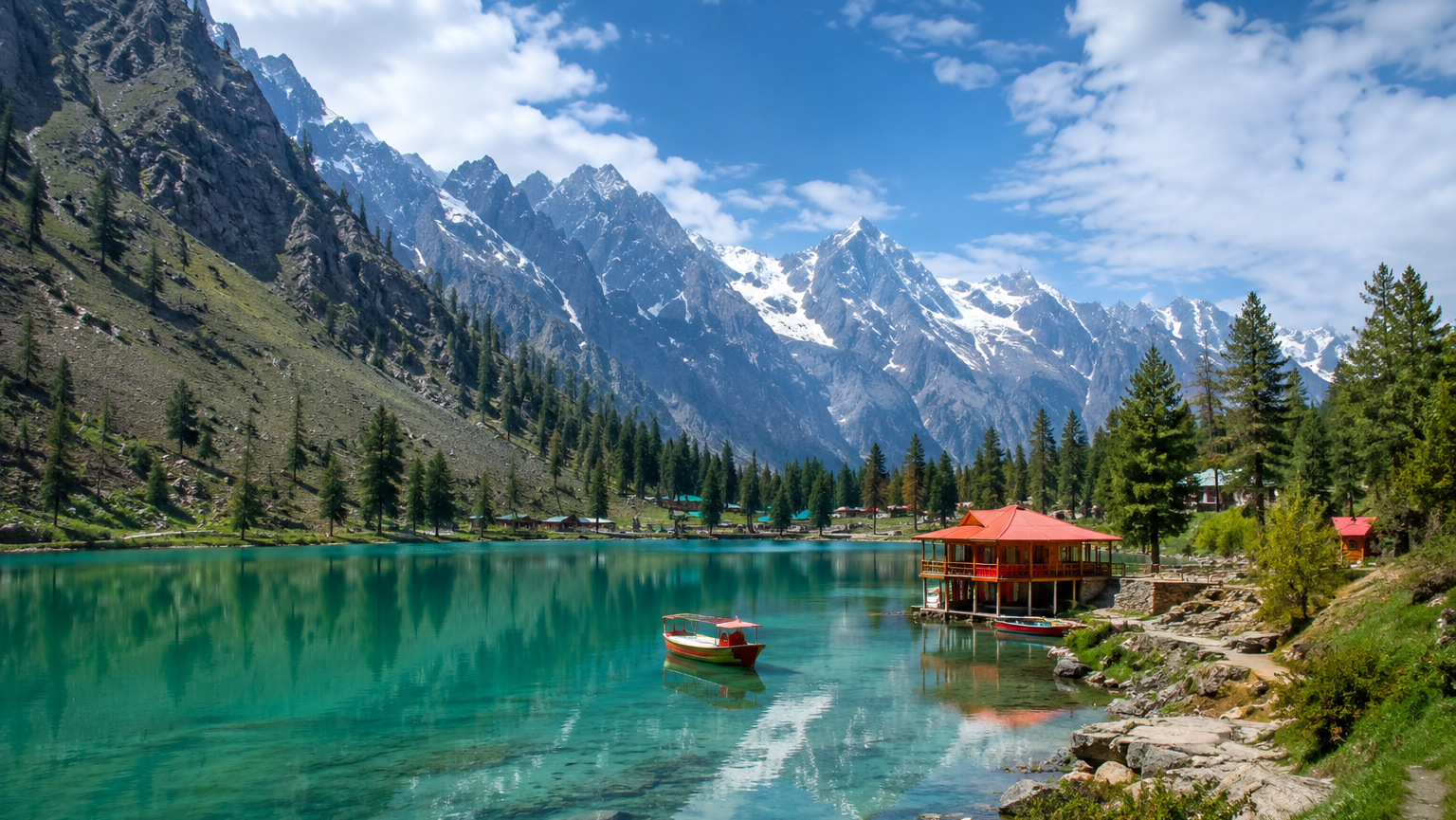
Pakistan’s travel scene is changing rapidly in 2026. From the dramatic mountains of Gilgit-Baltistan to peaceful valleys, cultural destinations, and adventure-filled road trips, more travelers are looking for experiences that combine nature, relaxation, culture, and exploration.
The country’s northern regions continue to attract strong attention, while domestic travelers are also discovering destinations beyond the traditional tourist hotspots. The growing interest in road trips, mountain tourism, local experiences, and outdoor adventures is helping reshape the way people explore Pakistan. Travel Trends in Pakistan 2026 show that domestic tourism is becoming more experience-driven, with travelers choosing longer stays, scenic road trips, and authentic local destinations.
Here are 7 Travel Trends in Pakistan 2026 that are defining the country’s tourism scene.
1. Gilgit-Baltistan Remains the Biggest Attraction
Gilgit-Baltistan continues to dominate conversations about tourism in Pakistan.
Hunza, Skardu, Fairy Meadows, Astore, Naltar, and other mountain destinations attract travelers with dramatic landscapes, lakes, glaciers, valleys, and some of the world’s highest peaks.
The region has also gained international attention. Pakistan’s state broadcaster reported in March that more than one million international tourists visited the country in 2025, while Gilgit-Baltistan was highlighted among leading global destinations. (radio.gov.pk)
For travelers looking for breathtaking scenery and adventure, Gilgit-Baltistan remains one of the strongest choices in Travel Trends in Pakistan 2026.
2. Skardu and Hunza Continue to Lead Mountain Tourism
Skardu and Hunza remain two of the most popular names in Pakistan’s domestic tourism conversation.
Hunza attracts visitors with its mountain scenery, historic villages, forts, local culture, and famous views around Attabad Lake and Passu. Skardu offers a different experience with its dramatic landscapes, high-altitude lakes, Deosai, and access to some of Pakistan’s most famous mountain regions.
Both destinations have also seen growing interest from international travelers exploring northern Pakistan.
However, travelers should check current road and weather conditions before leaving. Gilgit-Baltistan’s Tourism Department issued a July 2026 advisory after flooding temporarily closed the Jaglot–Skardu Road.
3. Road Trips Are Becoming a Favorite Way to Explore Pakistan
Road trips remain one of the most attractive ways to experience Pakistan.
The journey itself has become part of the adventure, particularly along mountain routes where travelers can stop at viewpoints, villages, rivers, lakes, and roadside restaurants.
The Karakoram Highway is especially popular among travelers heading toward Gilgit-Baltistan and Hunza.
For younger travelers and groups of friends, road trips offer flexibility and the opportunity to explore destinations beyond a fixed tour itinerary.
This makes road-based exploration an important part of Travel Trends in Pakistan 2026.
4. Adventure Tourism Is Growing
Pakistan’s mountains provide opportunities for hiking, trekking, camping, climbing, rafting, and other outdoor activities.
Destinations such as Fairy Meadows, Naltar, Astore, Hunza, Skardu, and Chitral attract travelers who want more than sightseeing.
The country’s international mountaineering profile also remains significant. Pakistan’s Karakoram range includes some of the world’s highest peaks, attracting climbers from around the globe.
At the same time, recent events on Broad Peak have highlighted the serious risks associated with high-altitude mountaineering. In July 2026, an avalanche struck an international climbing group, prompting a major search and rescue operation.
For ordinary travelers, this is a reminder that adventure tourism requires proper planning, experienced guides, weather awareness, and respect for mountain conditions.
5. Swat, Naran and Kaghan Remain Popular Alternatives
While Gilgit-Baltistan attracts much of the attention, destinations in Khyber Pakhtunkhwa continue to be popular with domestic tourists.
Swat Valley, Naran, Kaghan, Shogran, and nearby mountain areas offer green landscapes, rivers, forests, meadows, and cooler summer conditions.
Their relatively accessible location makes them attractive for families and travelers looking for shorter trips from major Pakistani cities.
These destinations also provide an alternative for travelers who may not have enough time for a longer journey toward Gilgit-Baltistan.
6. Travelers Want More Local Experiences
Modern Pakistani tourism is increasingly about experiences rather than simply visiting famous locations.
Travelers are interested in local food, traditional markets, village life, regional festivals, handicrafts, historic sites, and interactions with local communities.
The popularity of destinations such as Hunza and Chitral is partly connected to their distinctive cultural identity.
For international visitors especially, these experiences can provide a deeper understanding of Pakistan beyond its mountains and landscapes.
This shift toward cultural exploration is becoming one of the most meaningful Travel Trends in Pakistan 2026.
7. Responsible and Safer Travel Is Becoming More Important
As tourism grows, responsible travel is becoming increasingly important.
Mountain destinations can face landslides, flash floods, road closures, and rapidly changing weather. Gilgit-Baltistan’s Tourism Department has specifically advised tourists to check road and weather conditions before traveling and to avoid vulnerable areas during dangerous weather.
Travelers can also contribute positively by avoiding littering, respecting local communities, supporting local businesses, and following environmental and safety guidelines.
The future of Pakistani tourism will depend not only on attracting more visitors but also on ensuring that popular destinations remain safe, accessible, and environmentally sustainable. These Travel Trends in Pakistan 2026 highlight how tourism is evolving beyond sightseeing into adventure, culture, and responsible travel experiences.
The Future of Travel in Pakistan
The growth of domestic and international tourism presents a major opportunity for Pakistan.
Improved infrastructure, better hospitality services, digital travel tools, and stronger promotion of lesser-known destinations could encourage even more people to explore the country.
From the mountains of Gilgit-Baltistan to the valleys of Khyber Pakhtunkhwa and the cultural destinations across Punjab and Sindh, Pakistan offers a remarkably diverse travel experience.
The biggest Travel Trends in Pakistan 2026 show that travelers are increasingly looking for adventure, natural beauty, culture, flexibility, and memorable experiences.
Conclusion
Pakistan’s tourism landscape is becoming more diverse and experience-driven. Gilgit-Baltistan, Hunza, Skardu, Swat, Naran, and other destinations continue attracting travelers, while road trips, adventure tourism, cultural experiences, and responsible travel are gaining importance.
As Travel Trends in Pakistan 2026 continue to evolve, destinations across the country are expected to attract even more domestic and international visitors.
For anyone planning a trip in 2026, Pakistan offers plenty of opportunities to explore—but current weather, road conditions, and local advisories should always be checked before departure.
The country’s travel story is no longer just about where people go. It is increasingly about how they experience Pakistan.
Disclaimer: Travel conditions, road access, weather, security requirements, hotel availability, and local regulations can change. Travelers should verify the latest information through official government and destination authorities before beginning a journey.