


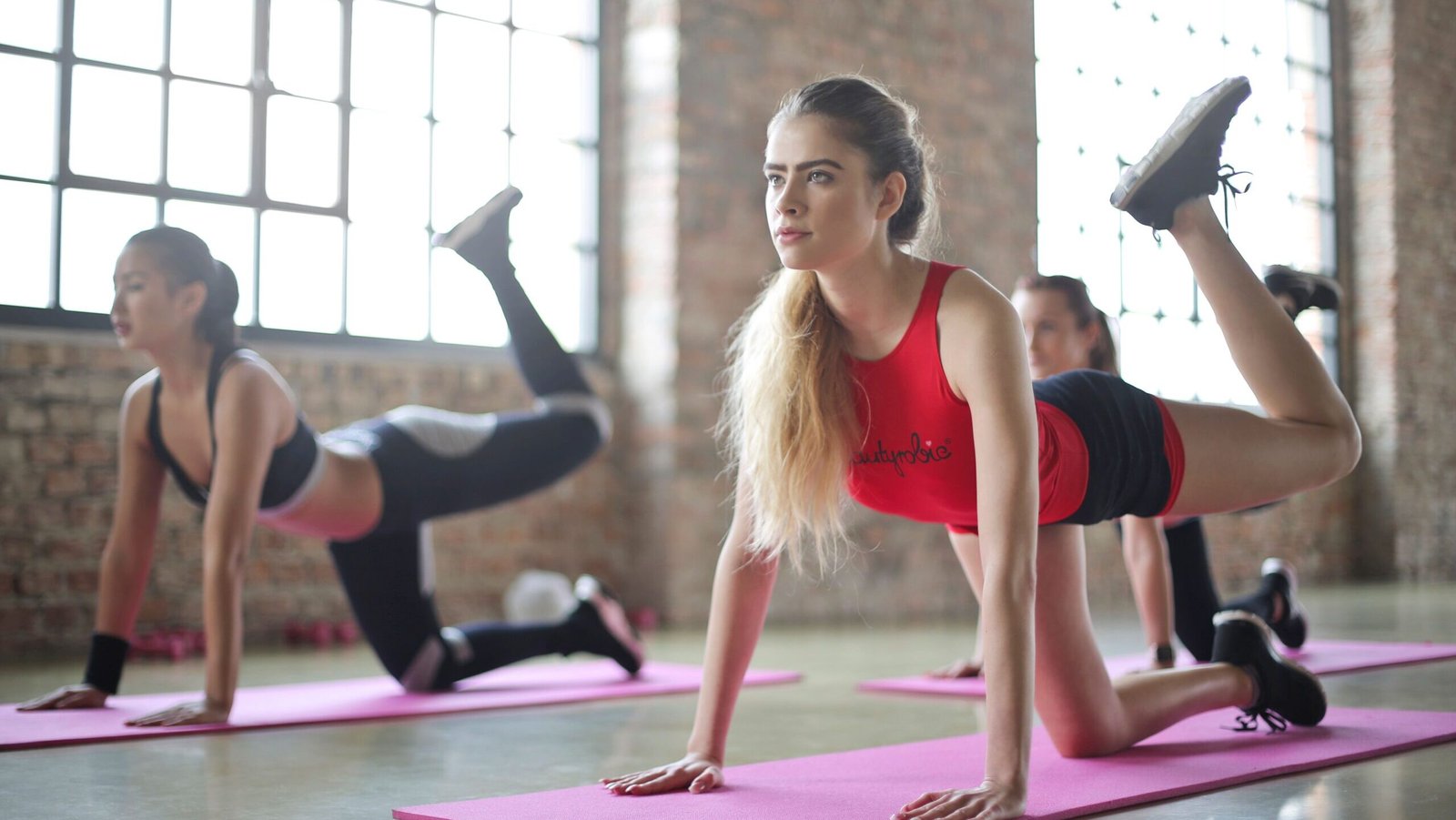
The wellness industry is entering a new phase in 2026. Instead of focusing only on weight loss, intense workouts, or complicated health routines, people are becoming more interested in sustainable habits, better sleep, functional nutrition, healthy aging, recovery, and everyday well-being.
From the rise of protein-focused foods and gut health to the growing popularity of sleep optimization and longevity, Wellness Trends 2026 are influencing how people eat, exercise, rest, travel, and think about their long-term health.
At the same time, there is a growing reaction against extreme wellness hacks. Consumers are increasingly looking for practical changes that fit into real life rather than expensive routines or complicated optimization programs.
Here are 10 of the biggest Wellness Trends 2026 is bringing into the mainstream.
1. Protein Is Moving Beyond Fitness Culture
Protein has become one of the biggest nutrition conversations of the year.
What was once strongly associated with bodybuilders and gym enthusiasts is now appearing across everyday foods and drinks. Protein-rich snacks, breakfast products, shakes, bars, and even new functional beverages are being marketed toward a much broader audience.
The trend is sometimes described online as “proteinmaxxing,” but the larger movement is more straightforward: consumers are paying greater attention to protein as part of their everyday diet.
Recent industry coverage has highlighted protein as a major driver of food and beverage innovation, particularly as consumers look for convenient products associated with satiety, muscle maintenance, and active lifestyles.
The important takeaway is balance. More protein is not automatically better for everyone, and individual nutritional needs can vary.
2. Fiber and Gut Health Are Taking Center Stage
After years of protein dominating wellness conversations, fiber and gut health are receiving increasing attention.
Consumers are becoming more interested in foods containing fiber, including fruits, vegetables, legumes, whole grains, and other minimally processed foods.
The growing interest in gut health is also influencing food companies, with more products being marketed around fiber, prebiotics, fermented ingredients, and digestive wellness.
Rather than treating one nutrient as the answer to everything, the emerging conversation is increasingly about dietary variety and overall nutritional quality.
For Wellness Trends 2026, the rise of fiber is particularly interesting because it represents a shift toward broader nutrition rather than single-ingredient optimization.
3. Sleepmaxxing Is Becoming a Mainstream Conversation
Sleep optimization has moved from a niche wellness topic into mainstream social-media culture.
The term “sleepmaxxing” refers to attempts to improve sleep through routines and environmental changes. These can include maintaining a consistent bedtime, creating a cooler and darker bedroom, reducing nighttime distractions, and tracking sleep through wearable devices.
The trend has attracted attention because sleep is increasingly being viewed as an important part of overall wellness rather than simply downtime.
However, not every viral sleep hack is supported by strong evidence. The most useful approach is to focus on simple, sustainable sleep habits rather than trying to create a perfect nighttime routine.
4. Longevity Is Shifting Toward Healthspan
Longevity remains one of the defining themes of modern wellness, but the conversation is changing.
Instead of simply asking how to live longer, people are increasingly asking how to remain healthy, independent, energetic, and active for longer.
Recent 2026 survey research reported by HEALTH found that 73% of respondents preferred the idea of “living better” rather than simply “living longer.” The findings reflect a broader shift toward healthspan—the years of life spent in good health and with greater independence.
That makes longevity less about extreme anti-aging promises and more about sustainable lifestyle choices.
For Wellness Trends 2026, this may be one of the most important developments: healthy aging is becoming a mainstream lifestyle goal.

5. The Anti-Biohacking Movement Is Growing
One of the most surprising Wellness Trends 2026 is the growing pushback against extreme wellness optimization.
For years, social media has promoted complicated routines involving supplements, trackers, expensive treatments, strict diets, and various forms of biohacking.
But consumers are increasingly questioning whether more optimization actually produces better results.
A recent HEALTH survey found that only 12% of surveyed Americans described themselves as engaging in biohacking, while 95% said they wanted small, manageable steps toward better health.
This does not mean people are rejecting innovation. Instead, many are becoming more selective and asking whether a trend is practical, affordable, and supported by credible evidence.
6. Functional Drinks Are Getting More Creative
The wellness beverage market is evolving rapidly.
Protein drinks, functional beverages, electrolyte products, and nutrient-focused refreshments are increasingly appearing in formats designed to feel more like everyday lifestyle products than traditional supplements.
Vogue’s 2026 wellness coverage highlighted the rise of protein sodas and other functional drinks, particularly because they combine convenience with the broader consumer interest in nutrition and performance.
The trend reflects a simple consumer demand: people want wellness products that are easy to incorporate into their normal routines.
However, a product being marketed as “functional” does not automatically make it necessary or healthier than whole foods.
7. Recovery Is Becoming as Important as Exercise
The old fitness mindset of “train harder” is gradually giving way to a more balanced approach.
Recovery is becoming a major part of modern fitness culture, with greater attention being paid to rest, mobility, stretching, sleep, hydration, and managing training load.
This trend is particularly visible among people who want sustainable fitness rather than short-term transformations.
The idea is simple: exercise is only one part of physical wellness. Recovery allows people to maintain an active lifestyle without treating exhaustion as a measure of success.
8. Wearables Are Becoming Wellness Companions
Smartwatches and fitness trackers have already changed how people monitor their activity, heart rate, sleep, and other metrics.
In 2026, the conversation is moving beyond simply collecting data.
People increasingly want wearable technology to help them understand patterns in their lifestyle. Sleep scores, activity levels, recovery indicators, and other measurements can encourage greater awareness of daily habits.
But more data is not always better. Constantly checking health metrics can also create unnecessary anxiety for some users.
The most useful role for wearables may therefore be helping people notice patterns rather than encouraging them to chase perfect numbers.
9. Wellness Travel Is Expanding
Travel and wellness are increasingly overlapping.
Instead of taking vacations only for sightseeing or entertainment, some travelers are choosing experiences designed around fitness, recovery, relaxation, mental well-being, and healthy routines.
Vogue identified wellness-focused travel as one of the notable wellness directions for 2026, reflecting the broader expansion of wellness beyond gyms and healthcare settings.
Wellness travel can range from fitness retreats and spa experiences to destinations designed around nature, relaxation, movement, and healthier routines.
The trend shows how wellness is becoming part of lifestyle planning rather than a separate activity.
10. Simple Wellness Is Becoming the New Luxury
Perhaps the biggest lesson from Wellness Trends 2026 is that people are becoming less interested in doing everything at once.
After years of extreme diets, complicated supplements, aggressive fitness challenges, and constant optimization, there is growing appreciation for simple habits that can actually be maintained.
Regular physical activity, balanced nutrition, adequate sleep, social connection, stress management, and preventive healthcare may not look as exciting as a viral wellness hack—but they can be far more realistic.
Recent 2026 survey findings support this shift, with consumers showing strong interest in sustainable and manageable lifestyle changes rather than extreme health strategies.

Why Wellness Trends 2026 Are Changing
The biggest change in wellness is not one particular product or diet. It is the way people are thinking about health.
Consumers increasingly want wellness to fit into their lives rather than completely take them over. They want convenient nutrition, better sleep, enjoyable exercise, meaningful recovery, and realistic approaches to healthy aging.
This is why Wellness Trends 2026 are moving in two directions at once: technology and innovation are expanding rapidly, while consumers are simultaneously returning to simple fundamentals.
That combination could define the next stage of the wellness industry.
What Comes Next for Wellness?
The wellness industry will continue to evolve as new technologies, products, fitness methods, nutritional ideas, and lifestyle movements emerge.
Some trends will disappear as quickly as they arrive. Others will become lasting parts of everyday life.
The most valuable Wellness Trends 2026 may ultimately be the ones that combine innovation with practicality. Instead of chasing every new hack, consumers are becoming more interested in asking a simple question: does this actually make my life healthier and better?
That shift could make wellness more sustainable, accessible, and realistic for a much larger global audience.
Conclusion
The biggest Wellness Trends 2026 are not limited to protein, sleep, longevity, or technology. They represent a broader change in how people define a healthy lifestyle.
Protein and fiber are reshaping nutrition conversations. Sleepmaxxing is making rest a bigger priority. Longevity is increasingly focused on healthspan, while recovery and wellness travel are expanding the meaning of fitness and well-being.
At the same time, the growing rejection of extreme biohacking suggests that consumers are becoming more selective.
The future of wellness may therefore be less about doing everything perfectly and more about building simple habits that can last.
Disclaimer: This article is intended for general informational and lifestyle purposes only. It does not provide medical, nutritional, or diagnostic advice. Individual health and nutrition needs vary, and readers should consult qualified healthcare professionals for personalized guidance.