


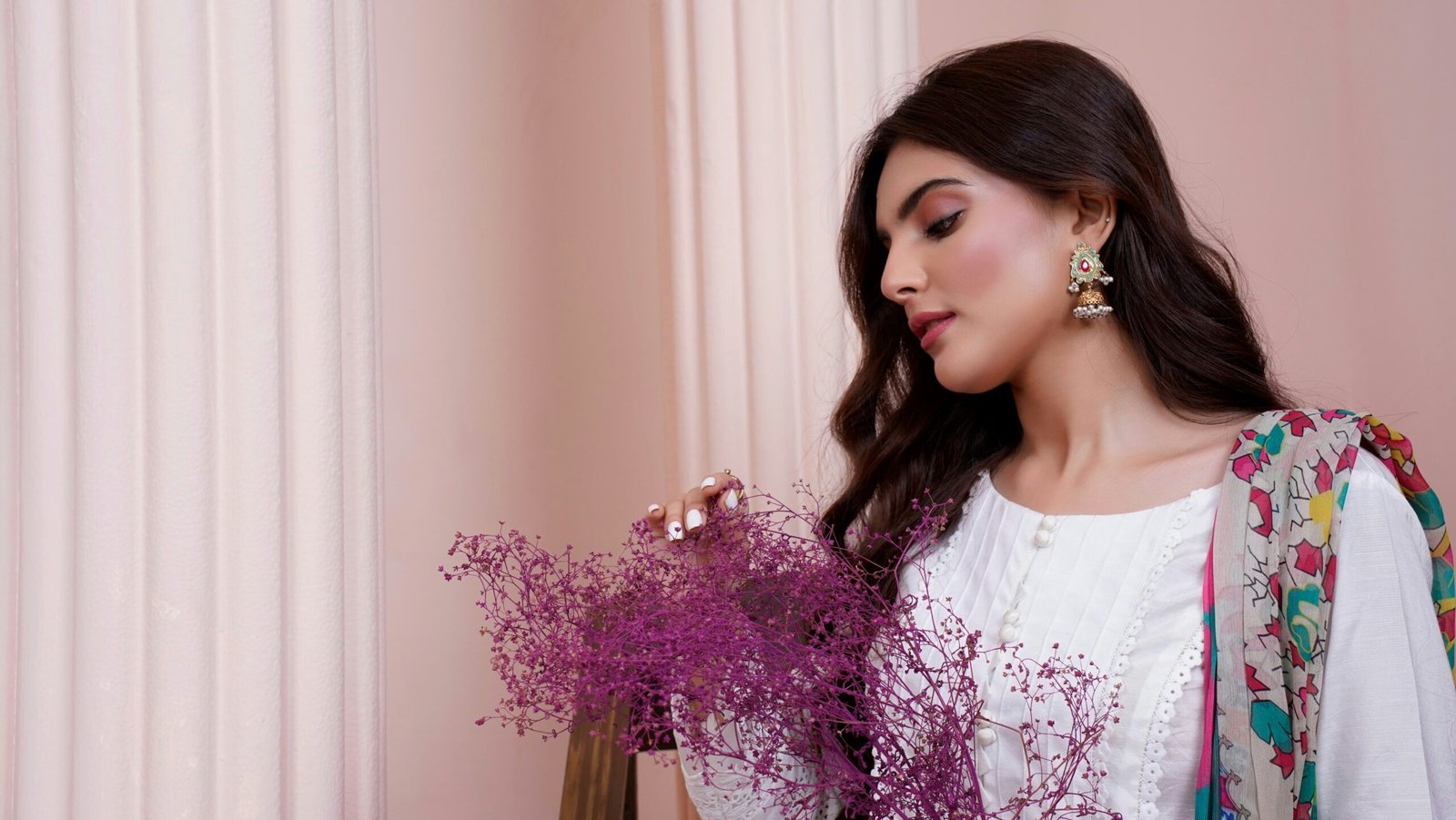
Pakistan’s fashion industry continues to evolve as changing consumer preferences, digital platforms, emerging designers and local brands reshape the way fashion is created, marketed and consumed. From traditional craftsmanship and textile heritage to contemporary ready-to-wear collections and digital-first fashion businesses, the fashion industry in Pakistan is becoming increasingly diverse.
In 2026, the industry is not limited to established fashion houses or major cities. Social media, e-commerce and content platforms have opened new opportunities for independent designers, entrepreneurs and emerging brands to reach audiences across Pakistan and beyond.
The Changing Fashion Industry in Pakistan
Pakistan has a long-standing connection with textiles, embroidery, traditional clothing and craftsmanship. These elements continue to influence modern fashion while designers increasingly experiment with contemporary cuts, fabrics, colors and styling.
The local market now includes everything from luxury couture and formal wear to ready-to-wear collections, modest fashion, streetwear and everyday clothing. This expanding variety reflects changing lifestyles and a growing demand for fashion that combines cultural identity with modern design.
For many consumers, fashion is also becoming more accessible through digital platforms. Instead of relying entirely on physical stores, customers can discover collections, compare products and interact with brands through social media and online shopping platforms.
Local Brands Are Gaining More Attention
One of the notable developments across Pakistan’s fashion industries is the growing presence of local and independent brands.
New businesses are entering the market with focused product lines and distinct identities. Some concentrate on contemporary eastern wear, while others explore western clothing, modest fashion, accessories, footwear or lifestyle products.
Social media has significantly lowered the barrier to entry for these businesses. A small fashion label can build an audience through Instagram, TikTok and other platforms without requiring the same physical retail presence traditionally associated with established brands.
This shift has also changed how fashion brands communicate with consumers. Instead of relying only on traditional advertising, brands can showcase collections through short-form videos, influencer collaborations, styling content and behind-the-scenes material.
Digital Media Is Changing Fashion Discovery
The relationship between fashion and digital media has become increasingly important in 2026.
Consumers can discover a new collection through a social media post, watch a styling video, visit an online store and make a purchase without ever visiting a physical outlet. This has made digital visibility an important part of brand development.
Fashion content is also becoming more interactive. Designers and brands can receive immediate feedback from their audiences, while creators can introduce products to highly specific communities.
For emerging fashion businesses, this creates an opportunity to compete for attention based on creativity, consistency and brand identity rather than relying exclusively on traditional market presence.
Traditional Fashion Meets Contemporary Design
Pakistan’s fashion identity continues to draw heavily from its cultural heritage. Traditional fabrics, embroidery techniques, regional aesthetics and eastern silhouettes remain important elements of the industry.
At the same time, modern consumers increasingly look for versatile clothing that fits contemporary lifestyles.
Designers are responding by combining traditional details with modern silhouettes, simpler cuts and updated styling. This balance allows Pakistani fashion to maintain cultural character while adapting to changing expectations.
The result is a fashion landscape where heritage and contemporary design can exist alongside one another.
Fashion Trends in Pakistan in 2026
Fashion trends in Pakistan are becoming increasingly diverse rather than being defined by a single dominant style.
Ready-to-wear clothing continues to attract consumers who value convenience, while formal and luxury fashion remains important for weddings, celebrations and major social occasions.
There is also growing interest in:
- Minimal and contemporary designs
- Comfortable everyday clothing
- Modest fashion
- Modern traditional wear
- Statement accessories
- Sustainable and responsible fashion concepts
- Social-media-driven styling trends
The influence of international fashion is also visible, but local designers and consumers frequently adapt global ideas to Pakistan’s cultural and climatic environment.
The Growing Role of E-Commerce
E-commerce is another important part of the changing fashion industry in Pakistan.
Online stores allow fashion businesses to reach customers outside their immediate geographic markets. A brand based in Lahore, Karachi or Islamabad can potentially attract customers from cities across the country without opening physical outlets in every location.
For consumers, online shopping provides greater access to new brands and product categories. However, factors such as sizing, product quality, delivery, returns and customer service remain important considerations for fashion businesses operating online.
Brands that can provide a reliable digital shopping experience may have an opportunity to build stronger long-term relationships with customers.
Opportunities for Emerging Designers
The growth of Pakistan’s fashion industries is also creating opportunities for new designers and entrepreneurs.
Previously, entering the fashion business often required significant investment in physical retail, production and traditional marketing. Today, smaller businesses can start with limited collections, build an audience online and gradually expand their operations.
This does not eliminate the challenges of competition. Fashion brands still need strong design, consistent quality, effective branding and reliable customer service.
However, digital platforms have made it possible for emerging talent to gain visibility without following exactly the same path as established fashion houses.
Can Pakistani Fashion Reach More Global Audiences?
Pakistan’s textile heritage and creative talent provide a strong foundation for international visibility. Pakistani designers and brands have already attracted attention through fashion events, social media, international collaborations and diaspora communities.
Digital platforms could further expand this reach.
For international audiences, Pakistani fashion can offer a combination of traditional craftsmanship and contemporary design. The challenge for brands seeking international growth is to maintain quality and consistency while developing products, communication and logistics that work across different markets.
A stronger global presence could also create opportunities for Pakistani textile producers, designers, manufacturers and independent fashion businesses.
What’s Next for Pakistan’s Fashion Industry?
The future of the fashion industry in Pakistan is likely to be shaped by a combination of creativity, technology and changing consumer behavior.
Digital commerce will continue to influence how people discover and purchase fashion. Social media will remain an important channel for emerging brands, while established fashion businesses will continue adapting to increasingly digital audiences.
At the same time, Pakistan’s cultural identity will remain an important source of inspiration. The ability to combine traditional craftsmanship with contemporary preferences could help local designers and brands develop distinctive identities in an increasingly competitive market.
As more entrepreneurs enter the industry and consumers gain access to a wider range of choices, Pakistan’s fashion landscape is likely to become even more diverse.
The Bigger Picture
The fashion industry in Pakistan is moving through an important period of transformation. Established fashion houses remain influential, but emerging designers, independent brands, digital creators and online businesses are expanding the boundaries of the industry.
From traditional clothing and luxury couture to ready-to-wear collections and digital-first fashion labels, the market now represents a broad range of styles and business models.
For Pakistan’s fashion sector, the next phase may depend not only on creating attractive designs but also on building strong brands, embracing digital platforms and finding new ways to connect Pakistani creativity with audiences at home and around the world.